


Awaji Baikundo : Amancha Incense
“Amacha Incense for Buddhist and Shinto Use is made from the sweet leaves of the amacha plant, traditionally used in Buddhist ceremonies such as Buddha’s birthday (“Kanbutsu-e”). It produces a refined,soothing aroma that purifies the air and brings peace to both the living space and the altar”
About Awaji Island
Awaji Island has a Deep Connection to Fragrance as described @ei_to_awajishima ‘Awaji Island is known as the place where fragrant wood first arrived in Japan, as recorded in the Nihon Shoki. Since the Edo period the area has flourished as one of Japan’s leading incense-producing regions’. A walk by the water revealed the main reason incense manufacturing took root in Awaji Island ‘its nishi-kaze (west wind)’ This strong seasonal wind hampers the fishing industry, giving rise to the necessity for cottage industries such as incense making. This wind is also great for drying incense
About Awaji Baikundo
Michelle visited Mr Takayuki Yano - the 4th generation Incense maker at Awaji Baikundo. - in November 2025. Here is some insight from her trip : Takayuki is the KOH-SHI -Master Of Fragrance or person in charge of the entire process of incense making, from the mixing stage to the bundling stage at this house. As we made up a unique blend together we talk about some of their most popular incense & Mr Takayuki Yano explains about Amacha Incense. Amacha is a traditional Japanese tisane made from the leaves of the hydrangea plant
‘After being processed into sticks, they are stored in a cool, dark place until they are ready to perform on stage just like an actor or entertainer’ He demonstrates the special shuttering in the factory which helps control the temperature & facilitate drying & correct conditions for storage. There is a strong relationship & many parallels between tea & incense. ‘Sandalwood is used in summer tea ceremonies, and neriko is used in winter tea ceremonies’ We are so pleased to introduce you to some of this incense houses beautiful natural fragrances
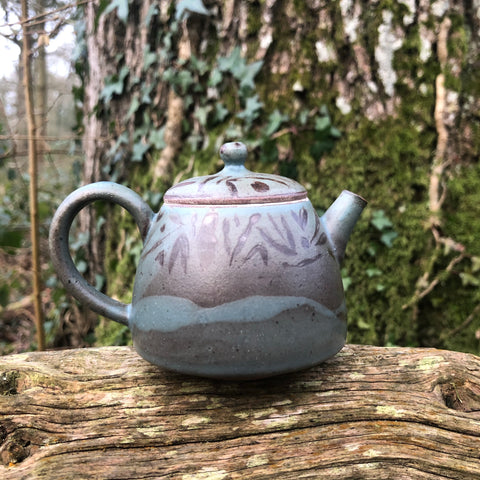
![230ml Maru-gata (丸形) gold flower Ikomi Kokudei kyusu with sesame strainer [Shōhō Kiln]](http://cominstea.com/cdn/shop/files/A09CF4B3-4082-40E2-992A-54D74926C749_large.jpg?v=1780838744)
![‘Xing Xiang Clay Pot' : Xing Xiang [Yu Xinrong] Jingdezhen](http://cominstea.com/cdn/shop/products/image_a3475563-2ec6-4c5a-950e-72eca9a93f85_large.jpg?v=1613410372)
![200ml Yellow Black Yōhen Kyusu with sesame filter [Hakusan Kiln]](http://cominstea.com/cdn/shop/files/F972971E-021F-4573-A84E-3F51816AA02D_large.jpg?v=1783585507)